
Are Dental Implants Safe for Everyone?
Dental implants are widely recognized for their durability and ability to restore smiles after tooth loss, but not everyone is an ideal candidate. Safety depends on a range of individual health factors, lifestyle habits, and timing. Understanding the details can help local residents make informed decisions about their options.
Who Typically Qualifies for Dental Implants?
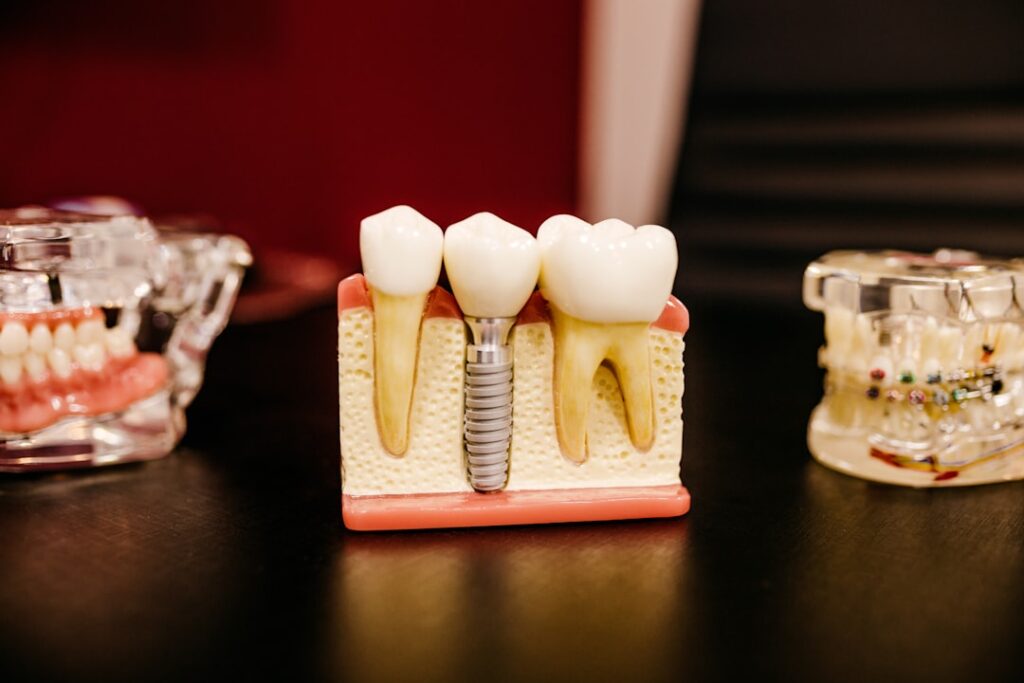
Most healthy adults with good oral hygiene are potential candidates for dental implants. Implants are used to replace missing teeth by anchoring a post in the jawbone, which supports a replacement crown. The procedure’s success relies heavily on having enough healthy bone and gum tissue, as well as a body able to heal well after surgery.
Young people whose jaws are still developing usually must wait until growth is complete. Healthy adults, regardless of age, can generally consider implants if they meet basic qualifications.
Which Health Conditions or Medications Might Affect Safety?
Several health issues may influence whether dental implants are safe or advisable:
- Uncontrolled diabetes: May slow healing and raise the risk of infection after surgery.
- Recent cancer treatment: Chemotherapy and radiation can change bone health and immune responses in ways that complicate surgery.
- Organ transplants or immune-suppressing drugs: These can increase the chance of implant failure.
- Heart disease: If managed and stable, implants may still be possible, but extra precautions are often taken.
- Severe osteoporosis: Weak bone may not support an implant long-term.
Residents managing complex health conditions should expect their medical history to be carefully reviewed to ensure safety.
What Local Factors Might Influence Outcomes?
In Erie, PA, unique seasonal conditions and household habits play a subtle but real role in oral health care. Winters with dry indoor heat can sometimes affect gum and bone health, making routine dental hygiene especially important. On average, the city's residents spend much time indoors several months each year—a habit that can worsen if proper oral routines slip during periods of less activity.
Access to fluoridated water, typical in the area, does support overall public health by reducing the risk of decay in natural teeth and helping maintain strong gums and bone—both crucial for long-term implant stability.
How Does Bone Health Matter?
Dental implants require healthy jawbone for stable placement. Tooth loss leads to bone loss over time, sometimes making the jaw too thin or soft for an implant. Special scans can evaluate whether a resident’s jaw is strong enough. In some cases, a bone graft (adding bone to the jaw) can build support before implant placement, but this adds time and steps.
Examples of Bone Health Decisions
- Someone who lost a tooth several years ago may need bone grafting
- Residents who wear dentures for years without a dental checkup sometimes discover more complex bone issues
Healthy bone is easier to maintain when lost teeth are replaced sooner rather than waiting years.
What Lifestyle Factors Should Residents Consider?
Beyond health status, personal habits can play a surprising role:
- Smoking or vaping: Both slow healing, raise infection risk, and double implant failure chances
- Heavy alcohol use: Can delay healing and complicate anesthesia or medications
- Oral hygiene: Daily brushing, flossing, and regular checkups keep gums healthy, supporting long-term success
A healthy lifestyle, including balanced nutrition and avoiding tobacco, gives the best chance for safe implant placement and long-term stability.
Are There Age Limits for Implants?
Chronological age by itself is not a strict barrier, and implants are often placed in older adults who are otherwise healthy. The main factor is bone health, not age.
For younger residents, the jaw must be fully developed first. This usually means waiting until late adolescence or adulthood. Unlike orthodontics, there is no strict upper age limit as long as the mouth is healthy and healing is robust.
Common Misconceptions About Implant Safety
Some local residents mistakenly believe:
- Only young people can safely get implants
- Diabetes or heart disease always rules out implants
- All tooth loss automatically means immediate qualification
In fact, implants can succeed at any age if health conditions are well managed. Most chronic illnesses don’t automatically disqualify someone, but do require more attention during planning and recovery.

What Tests or Assessments Are Involved?
Safe and successful dental implants depend on a careful evaluation process, including:
- A thorough medical and dental history review
- 3D imaging or X-rays to check bone health
- Screening for untreated gum disease or oral infections
- A discussion of medications, allergies, or chronic diseases
For area households, dental health checkups are also an opportunity to ask about new or changing health issues. Transparency and good records help reduce risks during any oral surgery.
What If I Have a History of Gum Disease or Tooth Loss?
A past history of gum disease, once treated, does not always rule out dental implants. However, managing ongoing gum inflammation is essential. Residents with untreated gum disease or frequent infections will need extra time to achieve health before moving forward.
Losing multiple teeth often means more bone and gum have been lost, affecting the implant’s foundation. Restoration, such as grafting or staged treatment, can often help.
When Should a Local Resident Reconsider Implants?
Some circumstances make implants much less likely to succeed or may raise risks too high to be reasonable, including:
- Ongoing, uncontrolled health disorders (infection, immune conditions, advanced osteoporosis)
- Active cancer treatment or recent jaw radiation
- Poor oral hygiene that cannot be improved
- Reluctance or inability to quit smoking before and after surgery
In such cases, alternatives to implants—such as bridges or partial dentures—might be more predictable.
Practical Steps for Residents Weighing Their Options
For local residents interested in learning more about implant safety:
- Keep thorough dental and medical records for each provider you see
- Share information fully about current medications and health conditions
- Focus on daily oral hygiene, especially during cold and dry months
- Know that ongoing habits like smoking or inconsistent care will influence all dental treatment outcomes
Making an informed decision involves sharing questions openly and understanding that dental implants, while highly effective, are not universally suitable for everyone. Safety and success rely on honest evaluation and, in many cases, adjustments to daily habits or health management.