
What Is a Dental Implant and Why Might Erie, PA Residents Consider One?
A dental implant is a long-term option for replacing missing teeth, offering improved stability and appearance compared to removable dentures or bridges. In the city, residents seek dental implants for various reasons, such as injury, decay, or age-related tooth loss. The process restores both the function and aesthetics of a natural tooth, which can be especially beneficial for people involved in Erie’s active community life and outdoor activities.
How Does the Dental Implant Procedure Begin?
The process starts with a comprehensive dental evaluation, including X-rays or a 3D scan. During this visit, the dentist will:
- Assess oral health and bone condition
- Discuss personal goals and medical history
- Develop a detailed treatment plan tailored to each patient
Local residents should expect clear explanations and examination of factors such as jawbone thickness, which can vary due to lifestyle, age, or health habits common in the region. Some individuals may need additional procedures, like bone grafts, especially if significant time has passed since tooth loss.
What Happens During the Dental Implant Surgery?
Dental implant placement typically occurs under local anesthesia, making the procedure comfortable. The site is prepared, and a titanium post is precisely inserted into the jawbone where the tooth is missing. Most Erie residents report only mild pressure or tapping sensations during this step.
In some cases, temporary teeth may be affixed while the area heals. The exact approach depends on bone health, implant location, and individual needs.
What Is the Healing and Recovery Process Like?
The healing phase, called osseointegration, is critical for implant success. Here’s what community members should expect:
- Recovery times range from several weeks to a few months, depending on health conditions and personal healing rates.
- Swelling and mild discomfort are common in the first few days. Icy weather or seasonal changes in Erie may require residents to take extra care with outdoor activities during this period.
- Keeping the area clean and following home care instructions are essential steps for preventing infection.
- Regular check-ins let the dental team monitor healing and address any concerns specific to your home environment, such as saliva changes during heating season or challenges related to regional diet.
When Is the Replacement Tooth Added?
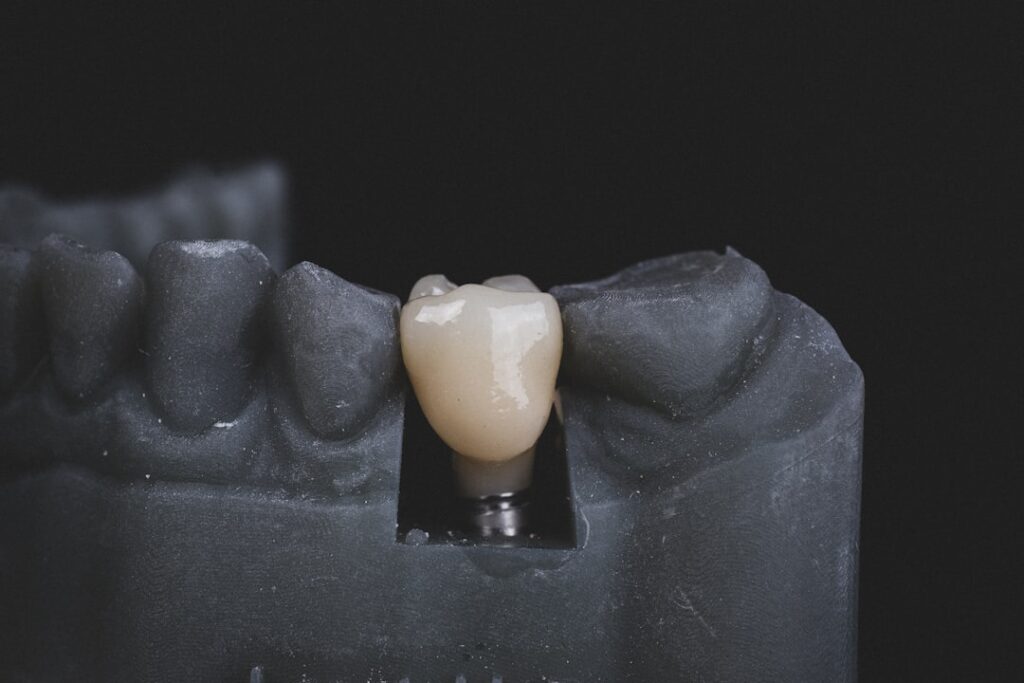
Once the implant has firmly integrated with the bone, a custom abutment and artificial tooth (crown) are attached. This stage involves:
- Taking impressions to design an artificial tooth that matches existing teeth in color, shape, and size
- A brief fitting visit to ensure comfort and functionality
For many people in the area, the timeline between implant surgery and final tooth placement can vary from three to six months, depending on healing rates and if any preparatory procedures were required.
Will It Hurt or Disrupt My Normal Routine?
Most residents find the procedure to be less disruptive than expected. Local anesthesia is used during placement, so pain during surgery is rare. Afterward, mild discomfort similar to tooth extraction is most common and typically managed with ordinary pain relievers.

Residents with physically active lifestyles—such as those who enjoy winter sports, hiking near the lake, or participating in local community events—can generally return to light activities within a day, although heavy exertion should be postponed for about a week.
Are There Common Concerns or Misunderstandings in the Erie Area?
- Dental implants are not immediate: The process requires several visits over months. Quick replacements are typically not recommended unless specialized procedures are used.
- Seasonal care matters: Cold winters may affect healing and home care, so using a humidifier and avoiding extremely cold foods can be helpful.
- Bone health counts: Previous injuries from local sports or aging-related bone changes might require additional planning or preparatory procedures.
- Implants are long-lasting but need care: Good oral hygiene and routine professional checks are necessary for lasting success.
What Should Residents Know About Aftercare and Longevity?
Proper aftercare is crucial. Residents are encouraged to:
- Brush and floss around the implant just as with natural teeth
- Avoid smoking, as it can slow healing and impact outcomes
- Schedule routine dental visits for professional cleaning and examination
With good habits, implants can last many years—even decades. The most common local factors affecting longevity include oral hygiene, diet, and pre-existing health conditions rather than weather or local water quality.
How Do Dental Implants Affect Everyday Life in the Community?
After recovery, dental implants allow area residents to speak clearly, enjoy favorite foods, and participate in local events without worry about dentures slipping. Unlike some removable alternatives, dental implants are fixed and function similarly to natural teeth, making them well suited for people with active routines and varied diets typical in the community.