
How Much Do Dental Implants Usually Cost in Erie, PA?
Most residents considering dental implants in Erie, PA discover that total costs can vary widely, typically ranging from $3,500 to $6,000 or more per implant when all phases are included. This range is an average for a single implant to replace one tooth, combining the surgical placement, abutment, and custom crown.
That number may look higher than other dental procedures, but it reflects the complex treatment steps, materials, and expertise involved. Further, costs in this region are influenced by local practice patterns, overhead, and the availability of advanced dental technology commonly used in Erie.
Why Does the Cost of Dental Implants Vary So Much?
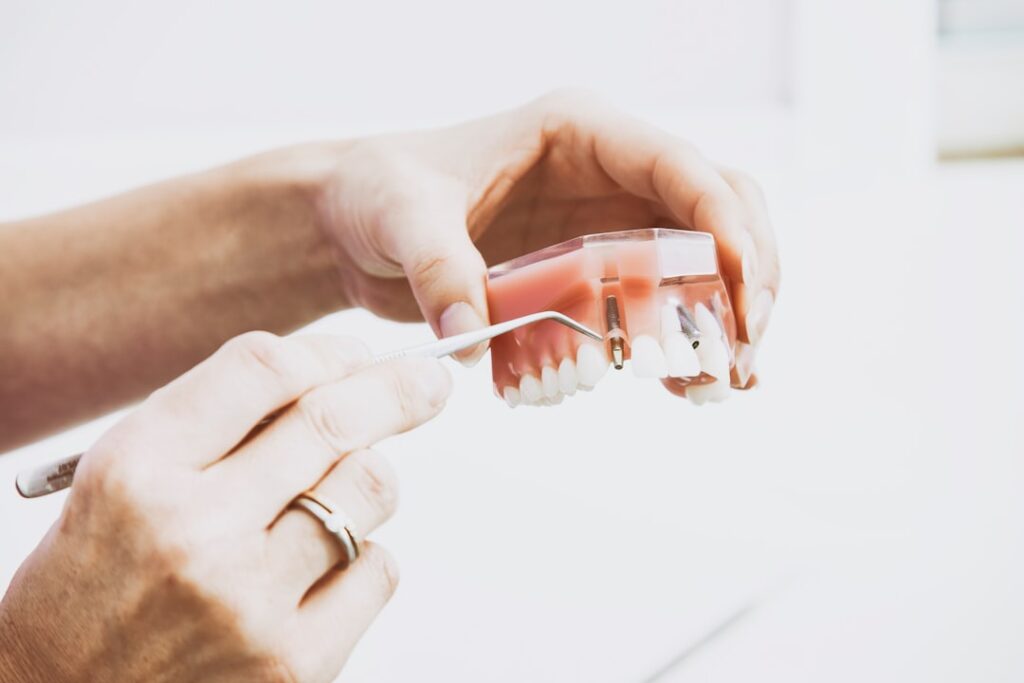
A single “dental implant” is actually a multi-part treatment, and several factors impact the total price:
- Implant post: The anchored titanium screw placed in the jawbone
- Abutment: A small connector that holds the crown to the implant
- Dental crown: The visible, tooth-like component
Pricing changes in Erie can often be traced to:
- Individual bone and gum conditions: Some people need additional procedures, such as bone grafting, if standard placement isn't safely possible.
- Number of implants: If multiple teeth or entire arches need to be replaced, each site adds to the cost.
- Choice of dental materials: Titanium and zirconia are common options, but each has different properties, manufacturing costs, and durability.
- Type of crown: Porcelain, ceramic, or other materials each have different fees, especially for visible front teeth.
This means one person replacing a single back tooth might pay much less than another area resident receiving a full arch or complex pre-treatment.
What’s Included (and What’s Not) in a Typical Dental Implant Fee?
Most advertised prices or cost estimates in Erie reflect only a portion of the total process—often just the surgical implant placement. Additional necessary items may include:
- Diagnostic visits (CT scans, X-rays, planning)
- Anesthesia or sedation, for comfort during surgery
- Temporary teeth, if needed between stages
- Follow-up checkups and care to ensure success
- Any pre-implant procedures, such as extracting a failing tooth or grafting bone
Area households should carefully review any proposal to clarify what’s included versus what may incur extra charges. In some cases, costs for follow-up care, adjustments, or repairs in the first year may be bundled or separate.
Are Dental Implants Covered by Insurance in Erie?
Basic dental insurance in Erie rarely covers the full cost of implants, but some plans now provide partial benefits for certain steps, such as crowns or preparatory work like extractions. Medical insurance may contribute, but only under specific conditions—such as tooth loss from injury or certain diseases.
Erie residents often find that insurance limits can leave a significant portion to self-pay, but Flexible Spending Accounts (FSAs) or Health Savings Accounts (HSAs) can sometimes be used for eligible medical procedures like implants. Coverage varies, so reviewing the specifics of local employer-sponsored or individually purchased policies before planning treatment is practical.
Why Are Dental Implants Considered More Expensive Than Alternatives?

The higher cost compared to removable dentures or traditional bridges reflects several realities:
- Implants typically last decades or even a lifetime with basic maintenance, while alternatives may need replacement or repair every 5–10 years.
- They prevent bone loss in the jaw, helping avoid future issues that could require more expensive interventions.
- Most people experience improved chewing function, speech, and confidence versus removable solutions.
- Each implant is custom-designed and surgically planned for the individual, adding to time and expertise needed.
While upfront costs are higher, some people find longer-term value in implants due to stability and overall oral health benefits. Still, the decision depends on individual needs and circumstances.
What Local Factors Might Influence Implant Costs?
Weather, density, local regulations, and practice infrastructure all play subtle roles in total dental implant costs in Erie.
- HVAC and climate control needs in the office—important for climate-sensitive dental materials—drive up overhead slightly in colder, snowier months.
- Erie’s blend of older housing and mixed infrastructure may mean area clinics have higher facilities maintenance costs, reflected in procedural fees.
- Regulations place safety and sterilization standards above many other regions, sometimes resulting in more frequent upgrades to surgical suites and infection control systems in local offices.
Combined, these factors mean that someone moving from another region may notice slight differences in Erie’s pricing patterns—even for similar procedures.
What Surprises Residents When Budgeting for Dental Implants?
One common surprise is the total time required from start to finish. Complete healing and restoration may take several months, especially if bone grafting is required or if stages are spaced out for safety. Each phase (placement, healing, abutment connection, crown fitting) can involve separate fees.
Another overlooked factor is the importance of aftercare and regular maintenance. While many local residents assume “one-and-done” after the procedure, regular dental visits are necessary to protect the investment and prevent complications. If gum health isn’t maintained, the area around the implant can still experience problems that may require additional attention.
Understanding these aspects helps individuals and families more effectively plan both financially and practically for successful outcomes.