
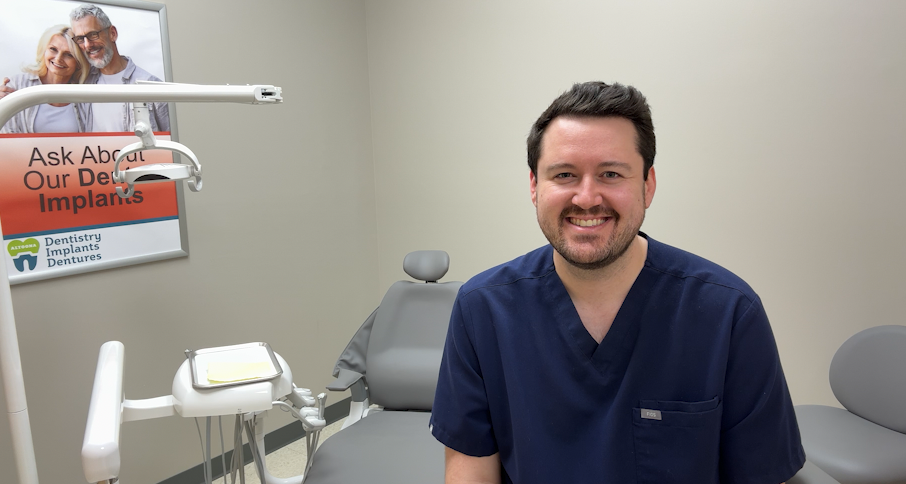

Dental implant surgery is usually less painful than many people expect. During the procedure, local anesthesia prevents sharp pain, although pressure, vibration, or movement may still be noticeable. Afterward, most people experience soreness, swelling, or tenderness rather than severe pain. The intensity depends on the number of implants, whether a tooth is removed at the same time, and whether bone grafting is needed.
Will getting the implant hurt during the procedure?
Usually, no. The gums and surrounding tissues are numbed before the implant is placed, so the procedure itself should not feel painful. A patient may notice pressure, pushing, vibration from dental instruments, or the sound of the equipment. These sensations can feel unusual without being painful. ([my.clevelandclinic.org](https://my.clevelandclinic.org/health/treatments/10903-dental-implants?utm_source=openai))
Some patients also receive sedation. Sedation does not replace local anesthesia, but it can reduce anxiety and make the appointment feel easier to tolerate. The type used depends on the procedure, health history, medications, and level of anxiety.
If sharp pain occurs during surgery, the dental team can usually provide more anesthetic before continuing. Patients should signal promptly rather than trying to tolerate unexpected pain.
What does the pain feel like afterward?
After the numbness fades, the area may feel sore, bruised, tight, or mildly throbbing. Swelling around the gums or cheek is also common. Discomfort is often most noticeable during the first 24 to 72 hours, then gradually improves.
The experience can resemble recovery from a tooth extraction or other minor oral surgery. Implant surgery is generally categorized as producing moderate postoperative pain, while more complex implant procedures can cause greater discomfort. ([ada.org](https://www.ada.org/resources/ada-library/oral-health-topics/oral-analgesics-for-acute-dental-pain?utm_source=openai))
Common short-term symptoms include:
- Tenderness when chewing
- Mild facial or gum swelling
- Small amounts of blood-tinged saliva
- Temporary difficulty opening the mouth fully
- Sensitivity near the surgical site
- A feeling of pressure around the implant
The implant itself is placed into the jawbone, but the bone does not contain the same type of pain-sensing tissue as the gums. Much of the early soreness comes from the gum incision and the surrounding soft tissues.
How long does dental implant pain last?
Many people feel substantially better within several days and close to normal within about a week. The gum tissue continues healing after that, while the implant gradually bonds with the jawbone over several months. Cleveland Clinic describes the initial healing period as about one week, with bone integration commonly taking three to nine months. ([my.clevelandclinic.org](https://my.clevelandclinic.org/health/treatments/10903-dental-implants?utm_source=openai))
Pain should generally trend downward each day. A small increase in tenderness can occur after chewing more normally or becoming more active, but steadily worsening pain is not typical.
Recovery may take longer when the procedure includes:
- Tooth extraction
- Bone grafting
- Treatment of an infection
- Placement of several implants
- Extensive gum surgery
- A sinus-related bone procedure
- Smoking or vaping, which can interfere with healing
For residents planning treatment around work, school, or seasonal activities in Erie, it is sensible to allow a quieter first day or two. Cold weather itself does not usually make an implant painful, but dry indoor heat, winter illness, and difficulty maintaining normal hydration can make recovery less comfortable.
What helps control discomfort?
The most effective approach is to follow the written instructions provided after surgery and use medication only as directed. Depending on a person’s health history, nonprescription anti-inflammatory medicine, acetaminophen, or a combination may be recommended. The ADA notes that non-opioid medicines are effective for many types of acute dental pain, but the appropriate choice depends on medical conditions, other medicines, allergies, and the procedure performed. ([ada.org](https://www.ada.org/resources/ada-library/oral-health-topics/oral-analgesics-for-acute-dental-pain?utm_source=openai))
Practical comfort measures may include:
- Taking the recommended pain reliever before the anesthetic has completely worn off, if instructed
- Applying a cold pack externally for short periods during the first day
- Resting with the head slightly elevated
- Eating soft, cool foods initially
- Avoiding smoking, vaping, alcohol, and strenuous exercise while advised
- Keeping the mouth clean according to the surgical instructions
- Avoiding direct pressure from chewing on the implant site

Do not take aspirin, ibuprofen, naproxen, acetaminophen, or prescription medicine automatically without considering personal health factors. Kidney disease, stomach ulcers, blood thinners, liver disease, pregnancy, and medication interactions can change what is safe.
Is bone grafting more painful than implant placement?
It can involve more soreness because additional tissue and bone are treated. However, the amount of discomfort varies widely. Some bone grafts are small and performed during implant placement, while others require a separate healing period before the implant can be inserted.
The grafting site may be more noticeable than the implant area, particularly if tissue is taken from another part of the mouth. A person may also need a longer soft-food period. The surgical plan should clarify whether grafting is expected, whether it will occur at the same visit, and how it may affect recovery.
What is the difference between pain from the implant and pain from the missing or damaged tooth?
Sometimes the tooth that led to implant treatment has already caused substantial pain through decay, fracture, infection, or inflammation. In those cases, the recovery discomfort may be less intense than the original toothache.
An implant should not cause ongoing severe pain after the early healing period. Persistent pain may instead signal infection, irritation, an issue with the bite, gum inflammation, or a problem with the implant’s integration. Pain when biting can also indicate that the temporary or final restoration needs adjustment.
When is pain after implant surgery a warning sign?
Some discomfort is expected, but certain symptoms warrant prompt communication with the treating dental office. Seek urgent medical help for trouble breathing, rapidly spreading facial swelling, uncontrolled bleeding, or difficulty swallowing.
Other concerns include:
- Severe pain that is not controlled by the recommended medication
- Pain that becomes worse after initially improving
- Fever or chills
- Pus, foul drainage, or a persistent bad taste
- Numbness that does not begin to improve as expected
- An implant, temporary tooth, or healing component that feels loose
- Swelling that continues to increase several days after surgery
These symptoms do not always mean the implant has failed, but they should not be ignored. Early evaluation can identify an infection, bite problem, medication reaction, or another treatable complication.
Is the final crown painful to receive?
Placing the final crown is usually less uncomfortable than placing the implant because it generally does not involve cutting the gum or preparing the jawbone. The area may be sensitive briefly if the gum is still healing, but many patients describe the restoration visit as similar to having a regular crown placed.
The longest part of the implant process is often not the surgical appointment but the healing period. Once the implant has integrated and the restoration has been fitted properly, it should not feel like a painful object. It may feel unfamiliar at first, but normal chewing should not produce persistent soreness.
The most accurate expectation is this: implant placement itself should be numb and manageable; the first few days afterward may involve mild to moderate soreness and swelling; and symptoms should gradually improve rather than intensify.