
How Long Do Dental Implants Typically Last?
Dental implants are widely regarded as a long-lasting solution for replacing missing teeth. Most implants, when properly cared for, can last several decades—many even endure for 20 years or longer. Some people find their dental implants function effectively for a lifetime. The implant itself (the titanium post placed in the jawbone) is designed to be permanent, while the crown attached to the implant may need replacement after 10-15 years due to normal wear and tear.
What Factors Influence the Lifespan of Dental Implants in Erie, PA?
Several factors affect how long a dental implant will last for local residents:
- Oral hygiene habits: Daily brushing and flossing, along with regular dental check-ups, play a critical role.
- Lifestyle considerations: Habits such as smoking or heavy alcohol use can shorten implant lifespan.
- Health conditions: Diseases like diabetes, osteoporosis, or immune system disorders may affect healing and long-term stability.
- Location in the mouth: Implants placed in the back of the mouth (molars), where chewing forces are stronger, may be exposed to more stress and could require crown replacement sooner.
In Erie, cold winters and fluctuating humidity do not directly impact the longevity of dental implants, but changes in local diets or seasonal foods, as well as household heating habits that contribute to dry mouth, might influence overall oral health.
Is There a Difference Between the Implant Screw and the Implant Crown?
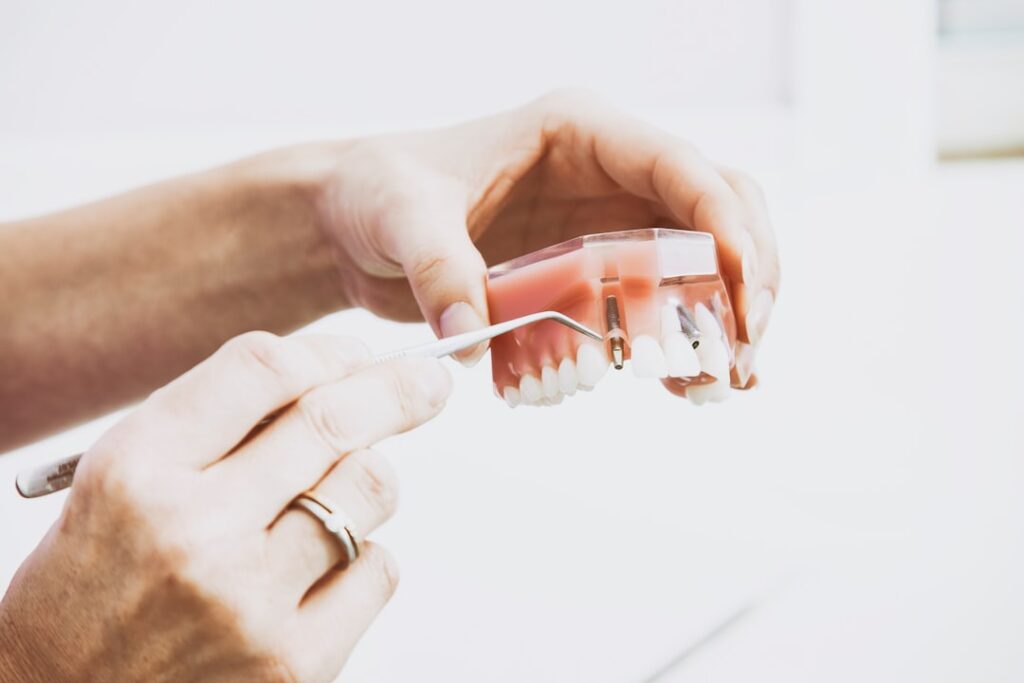
Yes. The titanium post or “screw” acts as the root for your new tooth and, in most cases, will never need to be replaced if placed successfully. The visible part—the crown—endures normal chewing wear, just like natural teeth. Crowns made from modern ceramics commonly last 10-15 years, though chipping or fracture from hard foods (such as locally grown apples or hard candies common in the area) can shorten their life.
What Can Cause Dental Implants to Fail Early?
Dental implant failure is rare but possible, especially within the first year. Early failure can result from:
- Inadequate bone integration due to insufficient jawbone density
- Infection during the healing period
- Excessive pressure from teeth grinding (bruxism)
- Poor initial placement or non-compliance with post-surgical care
Later failures may stem from gum disease (peri-implantitis), long-term trauma, or lack of professional dental maintenance. In Erie, seasonal activities like winter sports accidents or unexpectedly biting into hard ice can sometimes lead to localized injury.
How Do Local Diet and Seasonal Habits Impact Dental Implant Maintenance?
While there’s no “Erie-specific” rule for implant lifespan, local dietary patterns (such as eating dense breads, tough meats, or saltwater taffy at regional fairs) can place additional load on dental restorations, potentially shortening crown life. During Erie’s winter heating season, indoor air can become very dry, increasing the risk of dry mouth and thus elevating chances for gum problems around implants. Residents who spend time outdoors in summer may benefit from increased saliva production due to hydration, which helps maintain oral health.
Maintenance: What Helps Implants Last Longer?
A simple oral health routine can dramatically improve the odds of long-term success. Consider these steps:
- Brush at least twice daily, using a soft-bristle toothbrush and low-abrasive paste
- Floss every day, paying special attention to areas around and between implants
- Maintain regular dental check-ups and professional cleanings (generally every six months, but your provider may suggest a different frequency based on individual needs)
- Use of antimicrobial mouth rinses if recommended for those prone to inflammation
- Wearing a mouthguard at night if teeth grinding is an issue

Cold, dry air or local water hardness does not require unique implant-care adaptations, but it remains essential to continue good habits even during busy or harsh winter months in the city.
Are Dental Implants Right for Every Age Group?
Dental implants are most successful in adults with fully developed jawbones. Older residents in Erie considering implants do not need to worry about age alone reducing the lifespan of their dental work; rather, the presence of other health conditions is a more significant factor. For younger adults, implants can easily last several decades with attentive care.
Common Myths About Dental Implant Longevity
- Implants never need replacement: While the post can last indefinitely, crowns may require replacement or repair after years of use.
- Routine dental visits are unnecessary: Regular professional care is crucial—implants can’t develop cavities, but the surrounding gum can still be at risk.
- You can ignore flossing after implants: Daily flossing remains important to prevent gum inflammation and bone loss.
What Do Residents in Erie Need to Know About Insurance and Long-Term Costs?
Most dental insurance policies do not guarantee coverage for the entire implant process or for future crown replacements. It’s worth reviewing any dental benefit plans for specific terms related to both implant placement and ongoing maintenance. For those budgeting for the long-term, factoring in potential crown replacement every 10-15 years is reasonable.
When Could You Need Professional Support for Your Implant?
Immediate care may be needed if you experience:
- Persistent pain or mobility in the implant
- Swelling, bleeding, or unusual discharge around the site
- Sudden changes in bite or difficulty chewing
These could indicate infection, hardware issues, or injury and should be evaluated promptly.
Most local residents can expect their dental implants to provide reliable, stable function for many years. By pairing at-home maintenance with regular professional care, families and individuals in the community can maximize their investment and enjoy lasting oral health.